At a glance
- Topic
- One tap or the whole house?
- Reading time
- About 2 min
- Phone
- (365) 363-2754
- Matching repair
- Whole-Home Repiping in Ajax
Why it matters
Poor pressure makes showers miserable and appliances slow. It can also be a clue to something larger, such as a hidden leak or a failing pressure regulator.
The routine, in order
- One fixture only? Unscrew the aerator or showerhead and look for grit and scale. Soak it in vinegar. Check the shut-off valves under that fixture are fully open.
- Hot water only? Suspect the water heater: sediment, a partly closed valve on top of the tank, or a failing mixing valve.
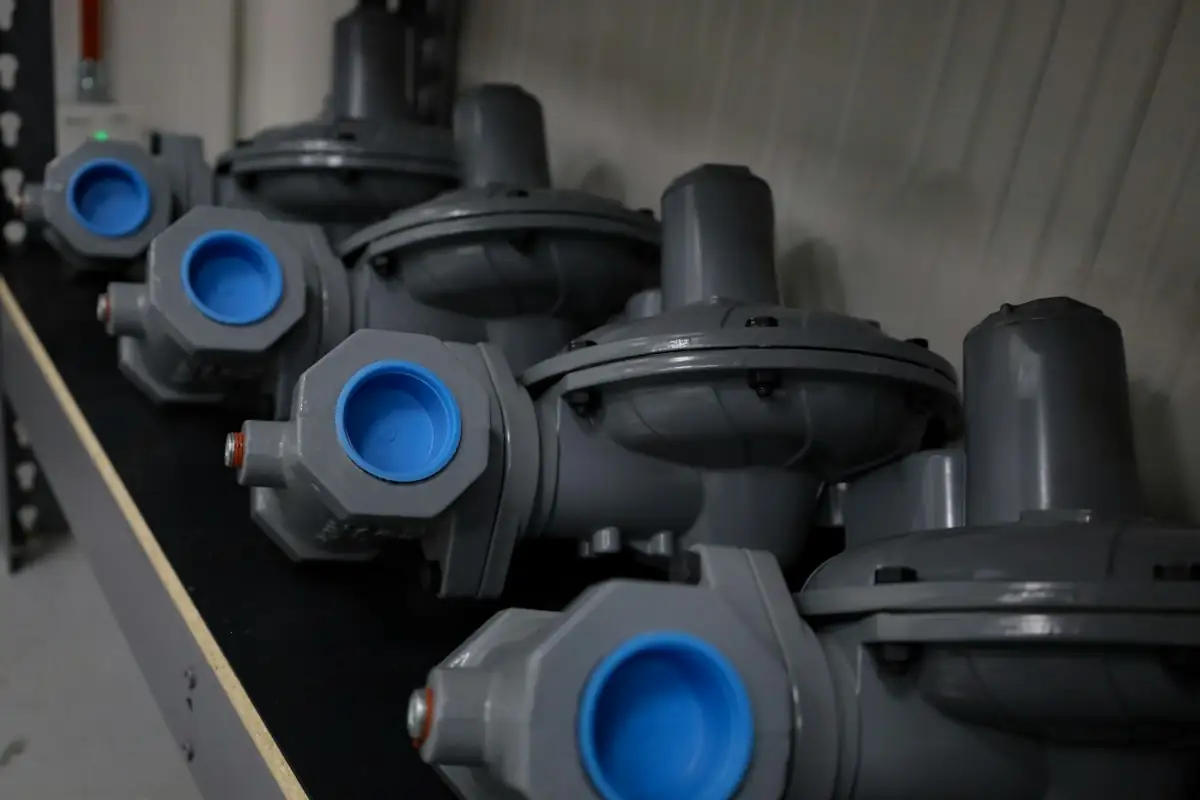
- Whole house? Turn the main handle to its stop, counter-clockwise; a gate valve left half-closed after a repair is common. If there is a pressure-reducing valve after the meter, it may be failing.
- Ask the neighbours. If they have low pressure too, call the Region of Durham. Watermain repairs on your street drop pressure until crews finish.
- Check for leaks. Watch the water meter with everything off. A moving dial means water is going somewhere.
Mistakes to avoid
- Fitting a pump booster before finding the cause.
- Removing flow restrictors from showerheads, which can affect valve balance and waste water.
- Ignoring a sudden drop; that can mean a leak.
Local tip Older galvanized pipe narrows from the inside with rust, a slow loss over years. Pressure that faded gradually in an older home often has this cause.
Where a plumber takes over
Replacing a regulator, a main valve or corroded supply pipe. See repiping, main valves and leak detection.
Questions we hear on the phone
Is there such a thing as too much pressure?
Indeed. Excess pressure ages washer hoses and faucet cartridges early. Screw a cheap gauge onto the garden spigot for a reading.